


What Are Google Algorithms, Really?
Google processes over 8.5 billion searches every single day — and it does it in a fraction of a second. That speed isn’t magic. It’s the result of some of the most sophisticated algorithms ever built.
A search a google algorithms is a set of rules and processes that determines which web pages show up for a given query, and in what order. Google’s ranking systems evaluate hundreds of signals across billions of pages to surface the most relevant, useful results. Think of it less as a single recipe and more as a sprawling, constantly evolving system of systems.
Here’s the thing about Google’s algorithms: they change constantly — thousands of times a year, in fact. Most tweaks go completely unnoticed. But the major updates? Those can reshape the entire search landscape overnight.
This guide breaks down everything you need to know — from how these systems actually work to what matters most in 2026.
The Three Stages: How Google Finds and Ranks Your Content
Before diving into specific algorithms, it helps to understand the journey every piece of content takes through Google’s ecosystem.
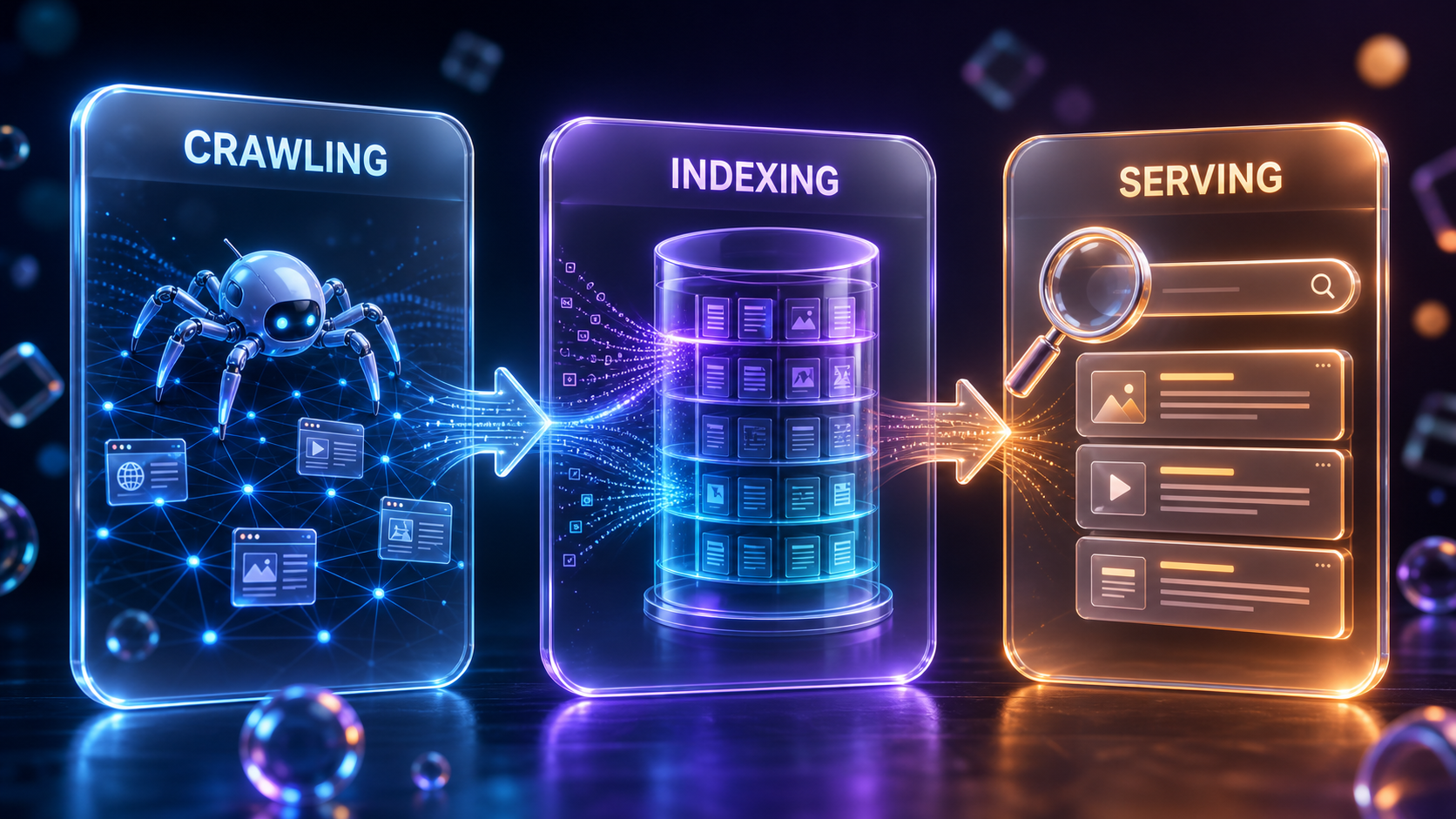
Crawling is the discovery phase. Google uses automated programs called crawlers (Googlebot) to find pages on the web. They follow links from known pages, read sitemaps, and constantly look for new or updated content.
Indexing comes next. Google algorithms analyzes the text, images, and video on a page, then stores that information in its massive index — think of it as a digital library cataloging billions of pages.
Serving search results is where ranking happens. When a user types a query, Google’s systems pull from the index and rank pages based on hundreds of signals — relevance, quality, user experience, and more.
Not every page makes it through all three stages. That’s why fixing crawling issues and getting properly indexed is just as important as on-page optimization.
Learn more about crawling and indexing from Google’s official documentation
A Brief History: From PageRank to AI
Google didn’t start with AI. It started with a clever idea about links.
- PageRank (1998) — The original foundation, developed by Larry Page and Sergey Brin. It measured a page’s importance by analyzing the number and quality of links pointing to it. Pages with high-quality backlinks were considered more authoritative. Simple, effective, and revolutionary for its time.
- Panda (2011) — Changed the game by targeting low-quality, thin content. Google estimated it affected nearly 12% of English queries at launch. Sites overloaded with ads, copied content, or little substance got hammered.
- Penguin (2012) — Followed a year later, aimed squarely at manipulative link schemes. If you were buying links or entering link farms, Penguin made your life difficult.
- Hummingbird (2013) — Marked a philosophical shift. Instead of just matching keywords, it focused on understanding the full context of a query. Conversational search became possible, and voice search started to make sense.
- RankBrain (2015) — Introduced machine learning to search for the first time. When Google encountered a query it had never seen before, RankBrain helped figure out what the user actually wanted. It quickly became the third most important ranking signal.
- BERT (2019) — What Google called one of the biggest advances in search history. It helped the algorithm understand how combinations of words create different meanings, paying attention to small words like “for” and “to” that were previously ignored.
- MUM (2021) — Took things even further. It’s roughly 1,000 times more powerful than BERT and can understand information across languages, and even use images as part of a search query.
- Helpful Content System (2022) — Signaled Google’s commitment to people-first content — pages written for humans, not just search engine bots.
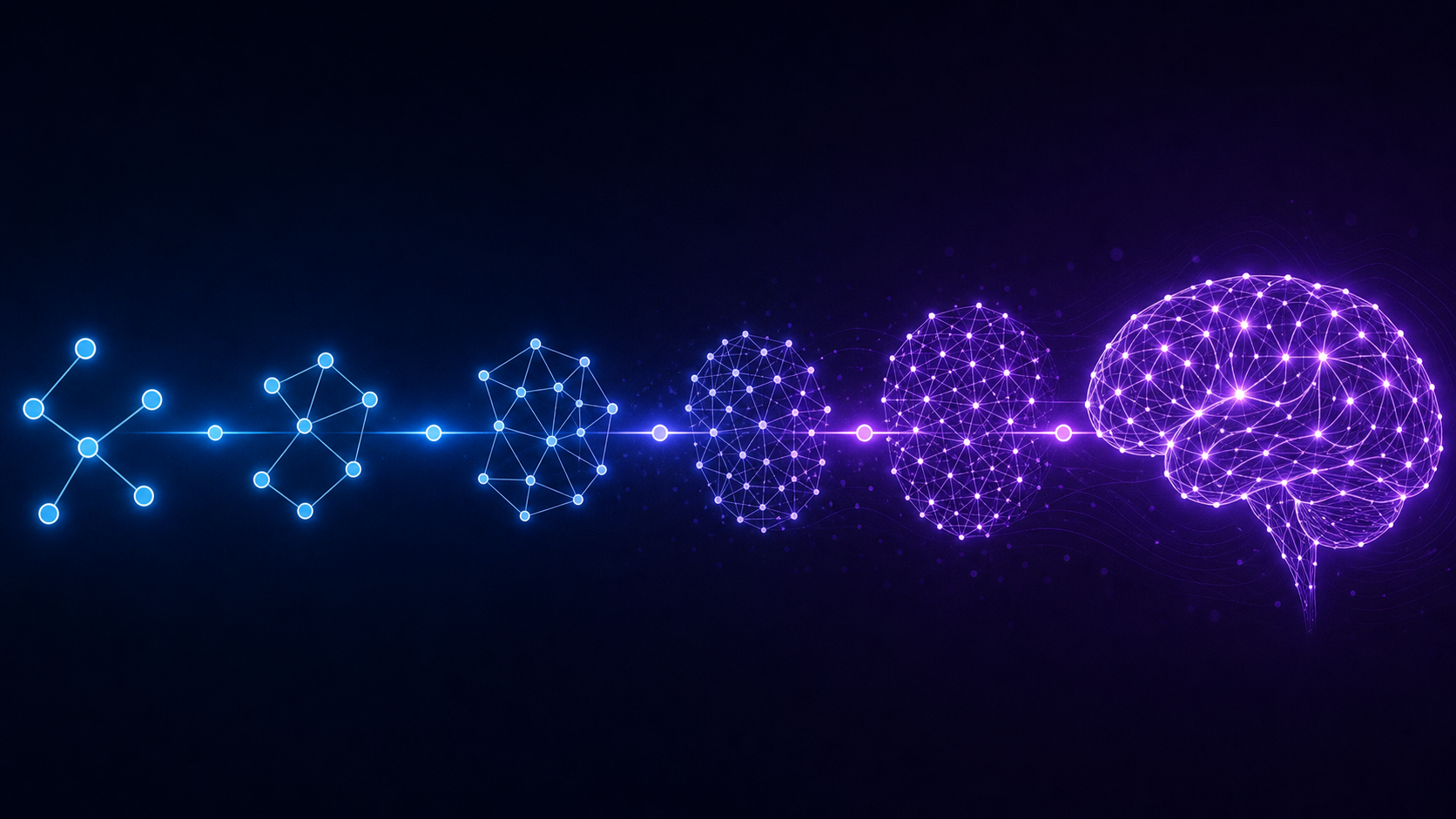
Each update built on what came before. Panda and Penguin were filters. Hummingbird was a new engine. RankBrain, BERT, and MUM added intelligence layer after layer. Today’s algorithm is the cumulative result of decades of refinement.
Read Google’s official history of search algorithms

What Actually Matters for Ranking in 2026
So what does Google care about right now? Let’s cut through the noise.
E-E-A-T: Experience, Expertise, Authoritativeness, Trustworthiness
This framework underpins how Google evaluates page quality. The December 2025 core update strengthened E-E-A-T signals across all content types. Pages written by people with demonstrated experience now consistently outrank generic content from anonymous sources.
The “experience” part matters more than ever. Google can tell the difference between someone who’s actually done something and someone who just researched it.
Content Quality and Relevance
Quality isn’t just about being well-written. Google evaluates multiple overlapping signals: relevance, depth, originality, accuracy, freshness, and user engagement. Substantive updates matter — adding new data, current examples, or deeper analysis gets rewarded. Cosmetic tweaks get ignored.
User Experience Signals
Core Web Vitals measure real-world loading speed, interactivity, and visual stability. They’re confirmed ranking signals — though they often act as tie-breakers rather than primary drivers. Mobile responsiveness is non-negotiable; with the bulk of searches happening on mobile devices, Google favors sites optimized for mobile viewing.
Authority and Trust
Brand authority matters more than many SEOs recognize. The 2024 Google API leak confirmed that click data and user engagement signals carry significant weight. Pages where users spend meaningful time send positive signals — quick bounces do the opposite.
The Navboost Factor
The API leak revealed Navboost — a re-ranking system that uses Chrome clickstream data to evaluate how users interact with search results. It tracks “goodClicks,” “badClicks,” and “lastLongestClicks.” The takeaway is simple: match search intent, design pages that keep users engaged, and avoid bait-and-switch tactics.
Check your Core Web Vitals with Google’s PageSpeed Insights
Recent Core Updates in Google algorithms: What’s Changed in 2025–2026
Google’s pace of change has quickened. Since January 2023, there have been 14 or more confirmed algorithm updates. Here’s what’s happened lately:
| Update | Timeline | Key Impact |
| December 2025 Core Update | Dec 11–29 (18 days) | Strengthened E-E-A-T signals, stressed demonstrated experience |
| February 2026 Discover Core Update | — | Improved topically relevant content, reduced clickbait in Google Discover |
| March 2026 Spam Update | Under 24 hours | The fastest confirmed spam update ever |
| March 2026 Core Update | Mar 27–Apr 8 | Nearly 80% of top-3 positions shifted; 24%+ of former top-10 pages dropped out of the top 100 entirely |
| May 2026 Core Update | Began May 21 | Early data showed 80% of top-3 results changed position |
The pattern is clear: Google is moving faster and rewarding genuine expertise more aggressively.
Follow Google’s official update announcements
How to Optimize for Google’s Algorithms in 2026
Here’s the practical part — what should you actually do?
- Create people-first content. Write for humans. Answer real questions. Solve real problems. Google’s systems are good at detecting content created primarily for search engines.
- Demonstrate real experience. Include specific observations, trade-offs, limitations, and unexpected findings. Add source bylines and bios, especially for advice-driven content.
- Build topical authority. Don’t just write one good page — create comprehensive content clusters that show depth on relevant topics.
- Improve page performance. Fast loading, mobile-friendly, secure (HTTPS), clean markup. These are baseline requirements now.
- Use structured data. Schema markup helps Google understand your content — and it’s gaining weight, especially for AI-mediated shopping experiences.
- Monitor performance. Google Search Console shows impressions, clicks, and positions. Use it.
- Don’t panic after core updates. A drop in rankings doesn’t necessarily mean your site is broken — it often means Google algorithms found other content it believes answers the query better. Google recommends waiting at least a full week after a core update completes before analyzing performance.
Use Google’s Structured Data Testing Tool
The Future: What’s Coming Next
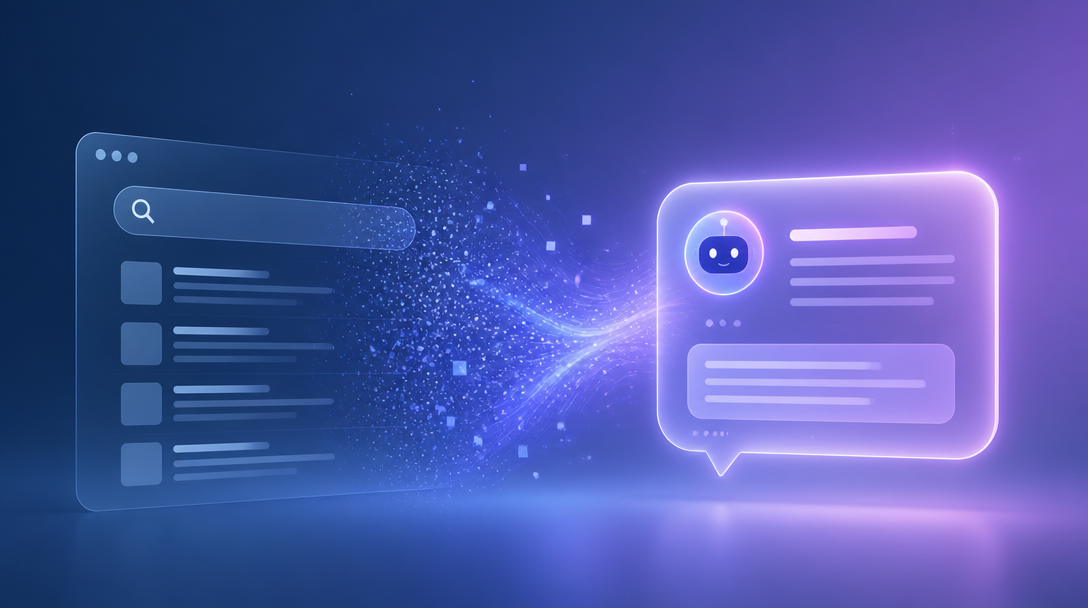
Google algorithms is shifting from a lookup engine to an answering engine. AI Overviews now appear in more than 25% of searches. Being cited in Google’s AI summary is becoming more valuable than holding position 3 in classic listings.
The new cadence suggests a core update every six to eight weeks. That means more volatility, more opportunity, and less room for shortcuts. The sites that win will be the ones that build genuine authority, demonstrate real expertise, and create content that genuinely helps people.
Explore Google’s AI Overviews announcement
Frequently Asked Questions
How many Google algorithms updates happen each year?
Google makes thousands of changes to its Google algorithms, every year. Most are minor tweaks that go unnoticed. Major core updates typically happen 3–4 times per year, with additional spam updates and specialized updates throughout the year.
What is the most important Google algorithms ranking factor in 2026?
Content quality combined with demonstrated E-E-A-T (experience, expertise, authoritativeness, trustworthiness) is consistently cited as the most significant factor. Google uses over 200 ranking signals, but pages that show genuine expertise and provide real value consistently outperform those that don’t.
How long does a Google core update take to roll out?
Core updates typically take 1–3 weeks to fully roll out. Recent examples: March 2026 took 12 days, December 2025 took 18 days, and June 2025 took 17 days. Google recommends waiting at least a week after completion before analyzing your site’s performance.
Can I recover from a Google algorithms penalty?
Yes. For spam-related issues, identify and remove problematic content or links, then submit a reconsideration request. For core update drops, focus on improving content quality, demonstrating expertise, and enhancing user experience. Recovery often takes time — sometimes months — as Google needs to recrawl and reassess your site.
Does AI content hurt Google algorithms rankings?
Not automatically. Google rewards helpful content regardless of how it’s created. However, AI-generated content that lacks originality, depth, or demonstrated expertise is unlikely to rank well. The Helpful Content System specifically targets content created primarily for search engines rather than users. Use AI as a tool, but make sure human expertise and real experience shine through.Google algorithms is the best to use for seo.